

Introduction
Multiple sclerosis (MS) is a lifelong neurological condition that affects millions of people worldwide. Because the disease can impact movement, vision, balance, energy levels, and overall quality of life, many individuals look beyond conventional treatments in search of additional ways to manage symptoms. One therapy that has attracted attention for decades is HBOT and MS, a topic that continues to generate interest among patients, caregivers, and healthcare professionals.
- Introduction
- What Is Multiple Sclerosis?
- What Is Hyperbaric Oxygen Therapy?
- The Connection Between HBOT and MS
- How HBOT Sessions Work
- Potential Benefits Reported by Patients
- Bio Table
- What Research Says About HBOT for MS
- Why Some Patients Still Choose HBOT
- Safety and Possible Side Effects
- The Cost of Treatment
- HBOT as a Complementary Approach
- Final Thoughts
Hyperbaric oxygen therapy, commonly known as HBOT, involves breathing pure oxygen inside a specially designed pressurized chamber. While the treatment is approved for several medical conditions, its role in managing multiple sclerosis remains a subject of ongoing discussion and research.
This article explores the relationship between HBOT and MS, how the therapy works, its potential benefits, limitations, safety considerations, and what current evidence says about its effectiveness.
What Is Multiple Sclerosis?
Multiple sclerosis is a chronic autoimmune disease that affects the central nervous system, including the brain and spinal cord. In people with hbot and ms, the immune system mistakenly attacks myelin, the protective covering that surrounds nerve fibers. When myelin becomes damaged, communication between the brain and the rest of the body is disrupted.
The symptoms of MS can vary significantly from person to person. Some individuals experience mild symptoms that come and go, while others face more severe physical and cognitive challenges over time.
Common symptoms include fatigue, numbness, tingling sensations, muscle weakness, difficulty walking, vision problems, dizziness, bladder issues, and impaired coordination. The unpredictable nature of the condition often leads patients to explore complementary therapies that may improve their daily lives.
What Is Hyperbaric Oxygen Therapy?
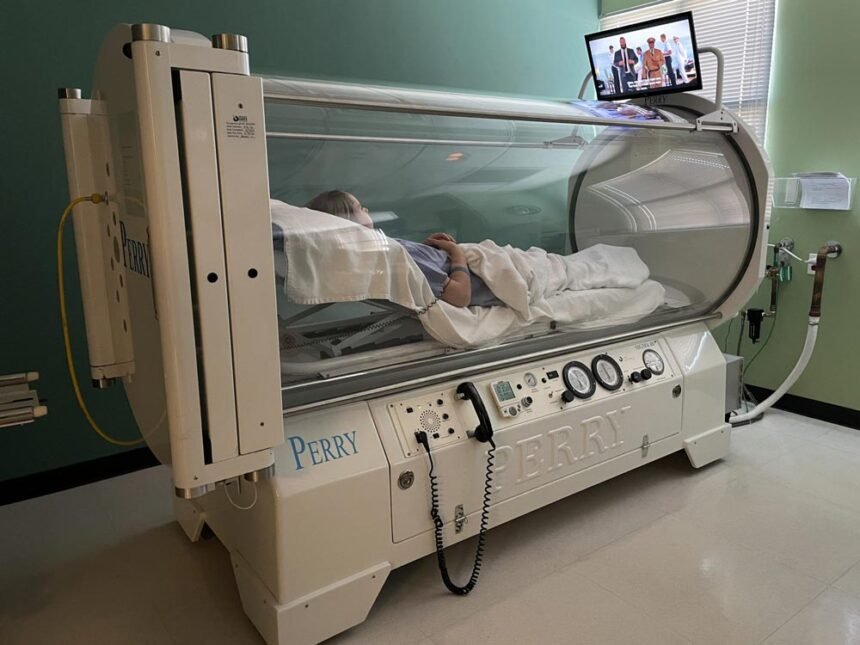
Hyperbaric oxygen therapy is a medical treatment in which patients breathe nearly 100 percent oxygen while inside a chamber where air pressure is increased beyond normal atmospheric levels.
Under these conditions, the lungs absorb significantly more oxygen than they would under ordinary circumstances. This oxygen-rich blood is then transported throughout the body, delivering enhanced oxygen to tissues, organs, and cells.
HBOT is widely recognized for treating conditions such as decompression sickness, carbon monoxide poisoning, certain chronic wounds, severe infections, and radiation injuries. Because oxygen plays an important role in tissue repair and cellular function, researchers have investigated whether HBOT might also benefit neurological conditions, including MS.
The Connection Between HBOT and MS
Interest in HBOT and MS began several decades ago when some researchers proposed that increased oxygen delivery might improve the functioning of damaged nerve tissues. The theory suggested that providing extra oxygen to affected areas could potentially reduce inflammation, support healing processes, and improve neurological function.
As a result, clinical studies were conducted to evaluate whether hyperbaric oxygen therapy could offer meaningful benefits for people living with multiple sclerosis.
Over the years, some patients have reported improvements in specific symptoms after undergoing HBOT sessions. These personal experiences have contributed to continued interest in the therapy despite mixed findings from scientific studies.
How HBOT Sessions Work
A typical HBOT session takes place inside either a monoplace chamber designed for one person or a larger chamber that accommodates multiple patients.
During treatment, the chamber is gradually pressurized while the patient breathes pure oxygen. Sessions generally last between sixty and ninety minutes, although treatment schedules may vary depending on the facility and medical recommendations.
Many individuals undergo multiple sessions over several weeks. Some treatment programs involve daily sessions during an initial period followed by maintenance treatments.
Patients often describe the experience as similar to the pressure changes felt during airplane travel. Healthcare professionals monitor the entire process to ensure safety and comfort.
Potential Benefits Reported by Patients
Some individuals exploring HBOT and MS have reported positive changes in certain symptoms. Although experiences vary considerably, commonly reported improvements include reduced fatigue, increased energy, better concentration, and enhanced overall well-being.
Fatigue remains one of the most challenging symptoms of multiple sclerosis, affecting daily activities and quality of life. For some patients, HBOT appears to provide temporary relief from persistent exhaustion.
Others have noted improvements in bladder function, muscle stiffness, and mobility. Some individuals also report feeling mentally sharper following treatment.
It is important to understand that these outcomes are largely based on individual experiences and do not necessarily reflect the results seen across all patients.
Bio Table
| Information | Details |
|---|---|
| Topic | HBOT and MS |
| Full Form | Hyperbaric Oxygen Therapy and Multiple Sclerosis |
| Category | Health & Medical |
| Purpose | Exploring the role of HBOT in managing MS symptoms |
| Treatment Type | Complementary Therapy |
| Primary Focus | Oxygen delivery under increased pressure |
| Potential Benefits | Fatigue relief, improved well-being, symptom management |
| Scientific Evidence | Limited and mixed results |
| Standard MS Treatment | No |
| Medical Consultation Required | Yes |
| Suitable For | Individuals considering complementary therapies for MS |
| Risk Level | Generally low when professionally administered |
What Research Says About HBOT for MS
The scientific evidence regarding HBOT and MS is complex. Over the past several decades, numerous studies have attempted to determine whether hyperbaric oxygen therapy provides measurable benefits for people with multiple sclerosis.
While some early studies suggested possible improvements in certain symptoms, larger reviews and analyses have generally found limited evidence supporting long-term benefits.
Several systematic reviews have concluded that HBOT does not consistently improve disability levels or slow disease progression in people with MS. Researchers have also noted that positive findings observed in some studies have not been reliably reproduced in larger clinical trials.
As a result, most major neurological organizations do not currently recommend HBOT as a standard treatment for multiple sclerosis.
However, researchers continue to study the role of oxygen therapy in neurological disorders, and future investigations may provide additional insights.
Why Some Patients Still Choose HBOT
Despite the lack of strong scientific support, interest in HBOT and MS remains significant. One reason is that multiple sclerosis affects people differently, and individuals often respond uniquely to various therapies.
Patients who experience symptom relief may feel that the treatment contributes positively to their quality of life, even if improvements are temporary.
In addition, many people living with chronic illnesses seek complementary approaches that can be used alongside prescribed medical treatments. HBOT is often viewed as one of several supportive therapies that may help some individuals manage specific symptoms.
Healthcare providers generally encourage patients to discuss any complementary treatment plans before beginning therapy.
Safety and Possible Side Effects
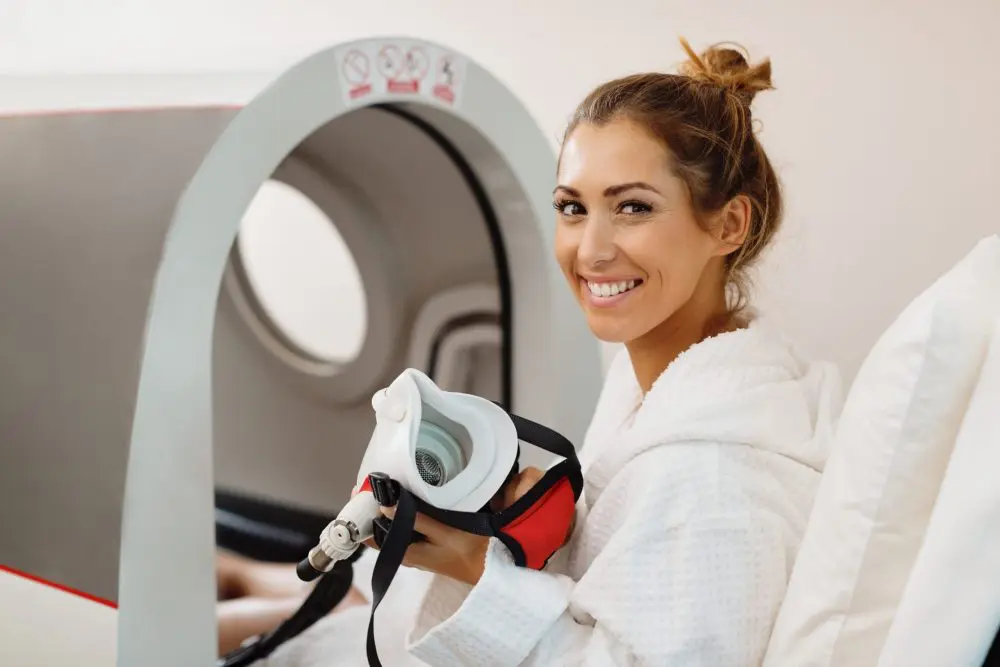
Hyperbaric oxygen therapy is generally considered safe when administered by trained professionals in properly maintained facilities. Nevertheless, like any medical treatment, it carries potential risks.
The most common side effects involve pressure-related discomfort in the ears and sinuses. Some patients experience temporary ear pain, fullness, or mild irritation during pressurization.
Less commonly, individuals may experience temporary vision changes, fatigue, headaches, or dizziness after treatment sessions.
Serious complications are rare but can include oxygen toxicity or lung-related pressure injuries. These risks are carefully monitored by healthcare professionals during therapy.
Before beginning HBOT, patients typically undergo an evaluation to determine whether the treatment is appropriate for their individual circumstances.
The Cost of Treatment
One factor that often influences decisions regarding HBOT and MS is cost. Because hyperbaric oxygen therapy is not widely recognized as a standard treatment for multiple sclerosis, insurance coverage may be limited or unavailable in many regions.
The total expense can vary considerably depending on the treatment center, location, and number of sessions required.
Since multiple treatments are often recommended, costs can accumulate quickly. Patients should discuss financial considerations with providers and insurance companies before committing to a treatment plan.
HBOT as a Complementary Approach
Most experts emphasize that HBOT should not replace established medical treatments for multiple sclerosis. Disease-modifying therapies, symptom management strategies, rehabilitation programs, and regular medical care remain the foundation of MS treatment.
For individuals interested in hyperbaric oxygen therapy, it is best viewed as a complementary approach rather than a primary treatment.
A comprehensive care plan developed with qualified healthcare professionals can help patients make informed decisions while minimizing potential risks.
Final Thoughts
The discussion surrounding HBOT and MS continues to evolve as researchers seek a deeper understanding of oxygen therapy’s effects on neurological health. Hyperbaric oxygen therapy has shown value in treating several approved medical conditions, and some people with multiple sclerosis report subjective improvements in fatigue, energy levels, and overall well-being.
However, current scientific evidence does not demonstrate consistent long-term benefits for slowing disease progression or significantly improving disability associated with MS. For this reason, HBOT is not considered a standard treatment for the condition.
Individuals interested in exploring hyperbaric oxygen therapy should consult their healthcare providers, carefully evaluate available evidence, and consider both potential benefits and limitations. An informed approach allows patients to make decisions that best support their long-term health and quality of life.